

If you want to cook authentic Colombian food in Australia, start with six things: masarepa (arepa corn flour), plantains, cassava, dried red beans, panela, and Colombian coffee. All six are available through specialist importers and Latin delis, and a few show up as close substitutes in mainstream supermarkets.
Here’s the shortlist worth screenshotting before your next grocery run:
- Masarepa (arepa flour) — packaged, shelf-stable, sold at Latin delis and online importers
- Plantains — fresh at some greengrocers and Asian grocers, frozen and peeled at Latin delis
- Cassava (yuca) — frozen, pre-peeled bags are far easier to find than fresh
- Dried red beans — packaged, often sold alongside Mexican pantry goods in supermarkets
- Panela — packaged in 500g and 1kg blocks; Zesté Panela is one Australian-available option
- Colombian coffee — roasted and ground, sold by specialty coffee importers
- Guava paste (bocadillo) — tinned or block form, found at Latin delis
- Colombian-style cheese — a firmer, saltier cheese used in arepas, often substituted locally with halloumi or fresh mozzarella
Frozen plantain and cassava solve the biggest headache for Australian cooks: fresh supply is patchy and seasonal, so a bag in the freezer means you’re never stuck mid-recipe. Panela is a staple that stores well for long periods, making it convenient to stock ahead rather than source on demand.
Key Takeaways
Authentic Colombian cooking in Australia depends on six staples, masarepa, plantain, cassava, beans, panela, and coffee, sourced through specialist importers, Latin delis, and select supermarket substitutes.
| Point | Details |
|---|---|
| Start with three staples | Panela, masarepa, and frozen plantain cover the most dishes with the least shopping effort. |
| Frozen beats fresh for reliability | Frozen plantain and cassava solve Australia’s inconsistent fresh supply and need no peeling. |
| Read labels for authenticity | True panela says “unrefined cane sugar,” not just “raw sugar,” and uneven texture is a good sign, not a flaw. |
| Buy shelf-stable items in bulk | Panela, masarepa, and coffee don’t spoil, so stock up whenever you find them. |
| Zestepanela offers a direct, reliable source | Organic panela in 500g and 1kg retail sizes, plus 25kg wholesale, ships directly across Australia. |
Table of Contents
- What Are the Essential Colombian Pantry Staples for Australian Kitchens?
- Where Can You Buy Colombian Ingredients in Australia?
- What Makes Zesté Panela Different From Regular Brown Sugar?
- Five Quick Ways to Use Colombian Staples This Week
- How Much Do Colombian Pantry Staples Cost in Australia?
- When Is the Best Time to Buy Colombian Staples in Australia?
- How Can You Verify Colombian Products Are Authentic and Good Quality?
- What Should You Actually Prioritize First?
- A Simpler Way to Keep Authentic Panela on Hand
- Sources
What Are the Essential Colombian Pantry Staples for Australian Kitchens?
Colombian cooking runs on a short list of starches, legumes, and one very specific sweetener, and Colombia Country Brand’s own rundown of key ingredients puts plantains, corn, cassava, beans, and panela at the center of it. Once you have those five plus coffee and a few condiments, you can cook most of the classics.
Masarepa (pre-cooked corn flour) is the base for arepas, Colombia’s everyday cornbread. It’s different from cornmeal or polenta. Masarepa is made from corn that’s been cooked, dried, and ground, so it just needs hot water and salt to form a workable dough. In Australia it’s sold in 1kg bags, usually white or yellow, and it keeps for months in a sealed container in the pantry. If you can’t find it, don’t substitute regular cornmeal. It won’t bind the same way. A Latin deli or online importer is your best bet.
Plantains show up in patacones (twice-fried plantain discs), as a side with bandeja paisa, and sweetened in desserts. Fresh green plantains are sold in some Asian grocers and farmers markets, but availability swings with season and shipping. Frozen, peeled plantain slices solve that problem and are common at Latin delis, including listings you’ll find at Hispanic Pantry. Buy green plantains if you’re making patacones (they need to be starchy, not sweet), and let them ripen on the counter if a recipe calls for the softer, sweeter version.
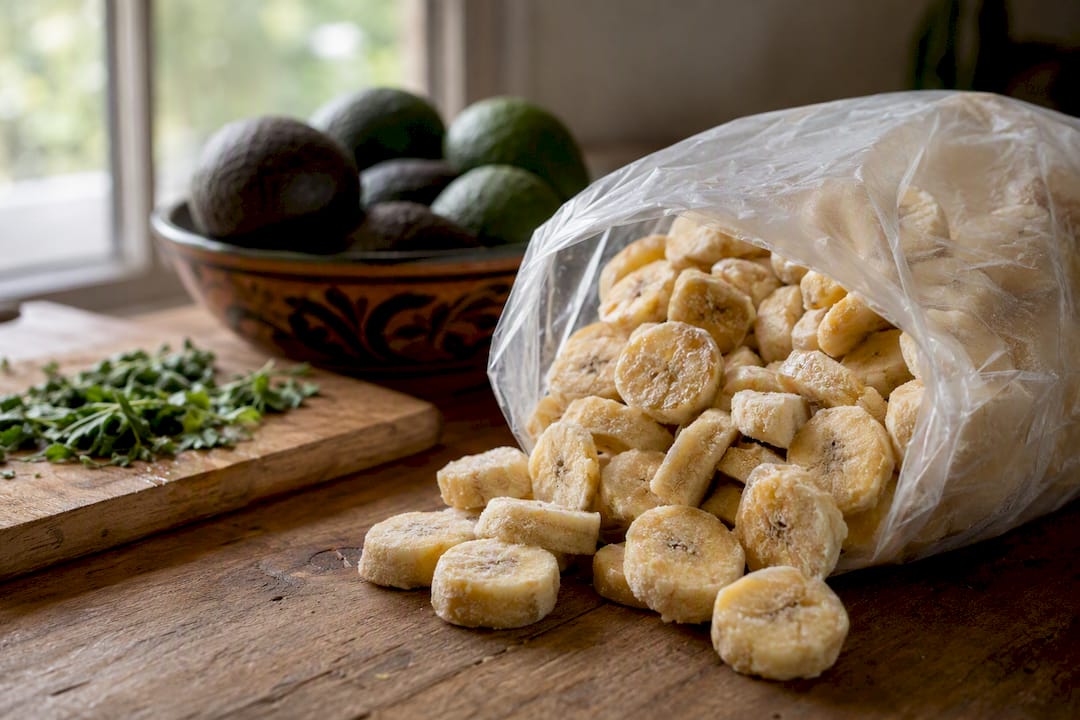
Cassava (yuca) appears fried, boiled, or turned into bollos de yuca. Fresh cassava needs careful peeling and has a short shelf life once cut, so most Australian home cooks buy it frozen and pre-peeled. SBS’s coverage of Colombian food in Australia notes cassava as one of the staples driving fresh interest in the cuisine here, and frozen packs from specialty retailers make it far more approachable than sourcing whole roots.
Dried red beans are the backbone of bandeja paisa and several stews. They’re widely stocked, often in the same supermarket aisle as Mexican pinto beans, and they keep for a year or more dry. Soak overnight before cooking to cut down simmer time.
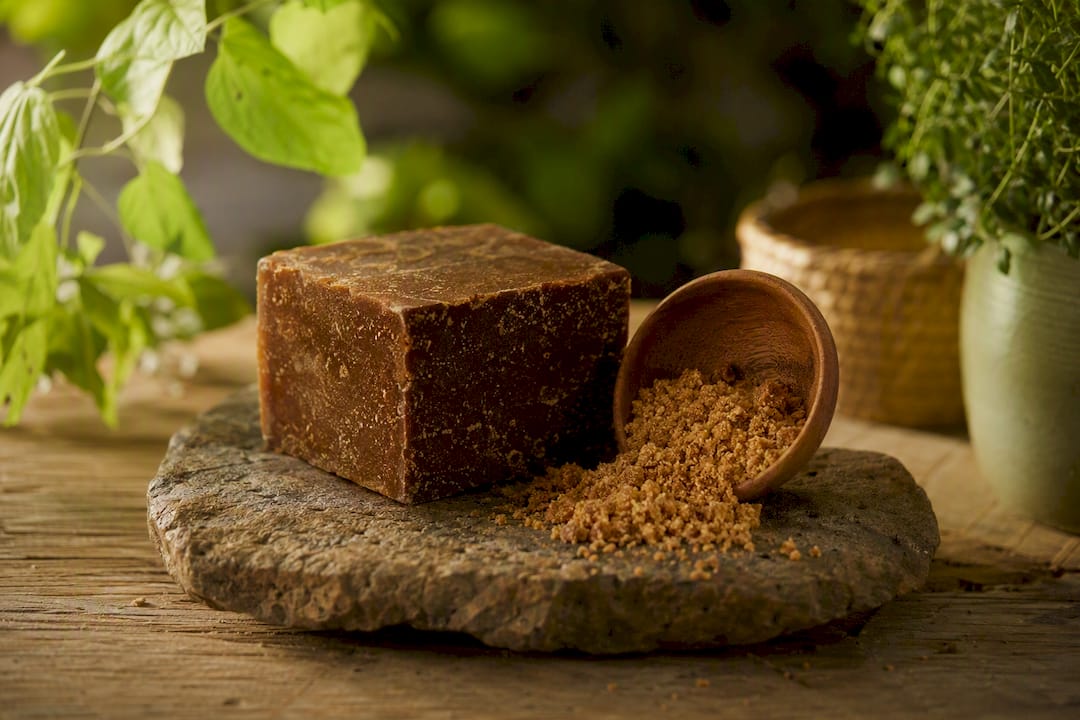
Panela is unrefined whole cane sugar, sold as a solid block or in granulated form. It’s used in coffee (aguapanela), desserts, glazes, and even savory stews where a rounded sweetness balances acidity. Zesté Panela’s organic version comes in 500g and 1kg retail packs, made using traditional slow-reduction methods that keep the natural molasses intact rather than stripping it out the way refined sugar production does. It stores at room temperature indefinitely as long as it’s kept dry and sealed.
Colombian coffee needs less explanation. Buy whole bean if you can, and grind just before brewing. Ground coffee loses aroma within weeks; whole beans hold their character for months in an airtight container away from light.
Hogao ingredients (tomato, white onion, garlic, cumin) are the base sauce under half of Colombia’s savory dishes. Every component is a standard Australian supermarket item, so hogao is the one “staple” you won’t need to import.
Colombian cheese for arepas and deditos de queso is firmer and saltier than most fresh mozzarella. It’s not widely stocked outside specialty stores, so halloumi or a firm, low-moisture mozzarella works as a practical stand-in.
Where Can You Buy Colombian Ingredients in Australia?
Four channels cover almost everything on the list, and each one suits a different kind of shopping trip.
- Specialist online importers. Sites stocking Colombian and broader Latin American goods, including Hispanic Pantry and Latin Deli, carry panela, frozen cassava, to stones, arepa-style cheese, and packaged masarepa. This is the most reliable route for anything shelf-stable, since stock doesn’t depend on a physical store’s foot traffic.
- Local Latin or Caribbean delis. If your city has one, it’s worth a visit for fresh or frozen plantain, fresh cheese, and guava paste you can inspect before buying. Delis also tend to carry smaller, harder-to-find items that don’t justify online shipping.
- Major supermarkets. Dried beans, tomatoes, onions, garlic, and cumin for hogao are already there. Some larger stores now stock masarepa or arepa flour near the international aisle, but don’t count on it everywhere.
- Farmers markets and greengrocers. The best (sometimes only) source for fresh plantain and, occasionally, fresh cassava root, though supply is inconsistent outside areas with a strong Latin American community.
Label reading matters more than you’d think. Panela is sometimes mislabeled or confused with “raw sugar” or “brown sugar” on generic packaging, but true panela is unrefined and pressed into a solid block or coarse granules, not centrifuged like brown sugar. Look for “unrefined cane sugar” or “product of Colombia” on the label, and check that molasses hasn’t been stripped and added back, which is how most commercial brown sugar is made.
Pro Tip: Buy plantain and cassava frozen even if fresh looks available. Frozen versions are peeled and portioned at the point of processing, which cuts prep time dramatically and avoids the browning that happens once you cut a fresh plantain.
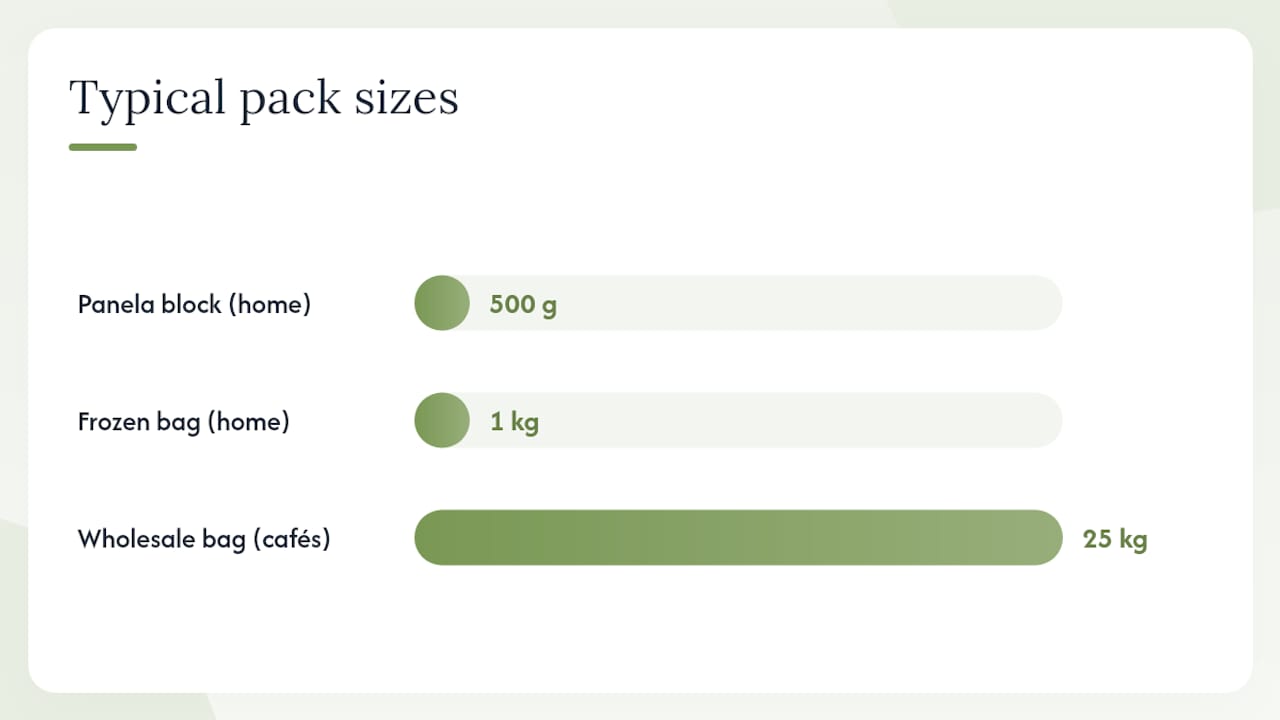
Pack sizes tell you a lot about who a product is aimed at. A 500g panela block is sized for a household; a 25kg wholesale bag is aimed at cafés and retailers. If you see bulk pricing that looks too good for a home kitchen, check whether it’s a wholesale listing before you order. For frozen cassava or plantain, a 1kg bag suits a few meals; anything larger only makes sense if you’re cooking for a crowd or freezing extra portions.
One more check for frozen or tinned goods: read the ingredient list for additives. A frozen plantain bag should list plantain and nothing else. Tinned goods marketed for Latin cooking sometimes carry preservatives that change texture when fried, so a shorter ingredient list is generally a better sign for dishes like patacones where texture matters.
What Makes Zesté Panela Different From Regular Brown Sugar?
Panela is unrefined whole cane sugar, made by boiling down fresh sugarcane juice and letting it set, without spinning off the molasses the way refined and brown sugar production does. That’s the core difference: brown sugar is usually refined white sugar with molasses added back in, while panela never loses its molasses in the first place.
Zesté Panela is produced in the Colombian Andes using traditional slow-reduction methods that keep the natural minerals and molasses intact, which is why it has a deeper, almost caramel-like flavor compared to standard brown sugar. It’s organic and non-GMO, and the brand works directly with Colombian farming communities rather than sourcing through commodity sugar channels.
You’ll notice Zesté Panela sometimes has small, harder flecks running through it rather than a uniform powder. That’s a normal result of the traditional, minimally processed method, not a defect, and the brand explains the texture variation in detail for anyone unsure what they’re looking at.
Retail sizes in Australia run from a 500g block for regular home use up to a 1kg pack for bigger households or frequent bakers, with a 25kg wholesale option for cafés and retailers.
Substitution is straightforward once you know the ratio. Grate or chop panela finely and swap it 1:1 for brown sugar in most recipes. In coffee, dissolve a small piece directly in hot water for traditional aguapanela. In glazes and savory stews, like a Colombian-style bistec a la criollo, a spoonful balances acidity in the pan sauce the same way brown sugar would, but with more complexity.
| Point | Details |
|---|---|
| Core difference | Panela keeps its natural molasses through slow reduction; brown sugar has molasses added back after refining. |
| Texture is normal | Small hard flecks in organic panela reflect traditional processing, not a quality issue. |
| Sizes available | 500g and 1kg for households, 25kg for cafés and wholesale buyers. |
| Substitution ratio | Swap 1:1 for brown sugar in baking, glazes, and coffee. |
Five Quick Ways to Use Colombian Staples This Week
- Arepas. Mix masarepa with warm water and a pinch of salt, shape into discs, and cook in a dry pan until golden on both sides, about 5 minutes per side. Frozen pre-made arepas from a Latin deli work too if you’re short on time.
- Patacones. Slice green plantain into thick rounds, fry until just golden, smash flat, then fry again until crisp. Frozen plantain slices skip the peeling step entirely.
- Panela coffee (aguapanela). Dissolve a small chunk of panela in hot water or brewed coffee for a naturally sweetened, mineral-rich drink Colombians traditionally serve at breakfast.
- Cassava fries. Boil frozen cassava chunks until tender, then finish in a hot oven or air fryer until the edges crisp up. Season with salt and a squeeze of lime.
- Quick hogao. Sauté diced tomato, white onion, garlic, and a pinch of cumin until it breaks down into a thick sauce. Spoon it over rice, beans, or arepas for an instant flavor base.
Make hogao and aguapanela syrup ahead and refrigerate for up to a week. Cooked masarepa dough doesn’t keep well once mixed, so prepare it fresh each time, but pre-shaped uncooked arepas freeze fine for a few weeks.
How Much Do Colombian Pantry Staples Cost in Australia?
Panela and masarepa sit at the affordable end, typically priced like a specialty pantry item rather than a luxury import, since both ship well and don’t need refrigeration. Frozen plantain and cassava cost more per kilo than everyday Australian vegetables, largely because of import logistics and the smaller scale of Latin American grocery distribution here compared to, say, Asian grocery supply chains.
Dried beans and hogao ingredients are the cheapest items on the list because they overlap with standard supermarket stock. You’re paying regular grocery prices, not specialty import prices.
Value comes down to buying format. A 500g panela block works out cheaper per serving than buying small sachets of instant sweeteners, and it lasts indefinitely if kept dry. Frozen plantain and cassava in 1kg bags are better value than fresh, when you can find fresh at all, because there’s no spoilage risk sitting in your fridge. If you cook Colombian food regularly, buying panela in 1kg rather than 500g, or considering the wholesale size if you’re supplying a café, brings the per-gram cost down further. For occasional cooks, the smaller retail sizes avoid waste and are the more sensible buy.
When Is the Best Time to Buy Colombian Staples in Australia?
Shelf-stable staples like panela, masarepa, dried beans, and coffee have no real season. Stock up whenever you see them, since they don’t degrade waiting in the pantry.
Fresh plantain and cassava are the two items where timing actually matters. Supply through Asian grocers and farmers markets tends to be steadier in warmer months, when broader tropical produce imports run higher, and patchier over winter. That seasonal gap is exactly why frozen versions from specialist Latin importers are worth keeping in the freezer year round rather than waiting for fresh stock to reappear.
Guava paste and Colombian-style cheeses don’t follow a strong season either, but stock at smaller delis can be inconsistent depending on shipping schedules, so buying a spare block of bocadillo when you see it beats hunting for it the week you need it for a recipe.
How Can You Verify Colombian Products Are Authentic and Good Quality?
Start with the label. Genuine panela says “unrefined cane sugar” or names its Colombian origin directly, rather than just “raw sugar,” which is a different, more processed product. The same scrutiny applies to masarepa: check that it’s labeled as pre-cooked corn flour specifically for arepas, not generic cornmeal or polenta, which behave differently once mixed with water.
Texture is a genuine authenticity signal, not a flaw. Organic, minimally processed panela often has slightly uneven texture or small firm pieces, a sign it hasn’t been through heavy industrial refining. A perfectly uniform, bright white sugar product marketed as “panela” is worth a second look.
For frozen plantain and cassava, check the ingredient list is just the vegetable itself, with no added preservatives or syrups, since those change how the product fries or crisps. For guava paste and cheese, buying from a specialist Latin deli or importer rather than a generic international aisle gives you a better shot at the real thing, since these retailers stock products aimed specifically at Colombian and broader Latin American home cooks rather than a general international crowd.
What Should You Actually Prioritize First?
Most guides to Colombian cooking in Australia treat every staple as equally urgent to track down, and that’s the wrong way to start. Panela, masarepa, and frozen plantain cover the widest range of dishes for the least shopping effort. Get those three first, and hogao ingredients from your regular supermarket run, before chasing down fresh cassava or specialty cheese.
The conventional advice to “find an authentic Colombian grocer” also oversells the difficulty. Australia’s specialist importers have made most shelf-stable staples a normal online order, not a treasure hunt. The real friction is fresh produce, and frozen alternatives solve that better than most guides admit.
Panela deserves more attention than it usually gets in these roundups. It’s the one staple that does double duty across sweet and savory Colombian cooking, and it’s shelf-stable enough that buying a quality version like Zesté Panela once solves a problem for months, not just for one recipe.
— Nicolas
A Simpler Way to Keep Authentic Panela on Hand
You don’t need to hunt down a Colombian grocer every time your panela runs low. Zestepanela ships organic, traditionally produced panela straight to your door in Australia, in a 500g size built for regular home cooking or a 1kg pack if you go through it fast.
That’s the practical difference from relying on a local deli’s stock: no waiting on shipments to a shop shelf, no driving around checking who has it this week. Order the 500g block directly, or step up to the 1kg size if panela has become a pantry regular in your kitchen, and if you’re supplying a café or retail shelf, the 25kg wholesale option is worth a look. Place an order now and you’ll have real, unrefined panela on hand the next time a recipe calls for it.
Sources
- Is Colombian cuisine finally having its moment in Australia? — SBS
- 10 key ingredients in Colombian cooking — Colombia Country Brand
- Colombian and Venezuelan Food & Drinks — Hispanic Pantry
0 comments