

If you want the simplest rule for buying ethical sugar in Australia: look for Fairtrade-certified cane sugar or certified organic panela that carries a traceability statement naming the country of origin or the cooperative. That single habit filters out most of the supply-chain problems that plague conventional sugar.
Three things to check on any packet before you buy:
- Certification logo. Look for the Fairtrade mark, the Australian Certified Organic (ACO) bud logo, or a ProTerra seal. One of these on the front panel means an independent body has verified at least part of the supply chain.
- Country of origin or cooperative name. “Refined in Australia” is not the same as “grown in Australia.” A packet that names a specific farm region or cooperative (e.g., a Colombian Andes cooperative) gives you far more confidence than one that lists only the refining country.
- Chain-of-custody or traceability statement. Some certified products carry a batch or lot number tied to a specific mill or producer group. That is the gold standard.
Panela, the unrefined whole cane sugar traditional to Colombia and other Latin American regions, often clears all three checks more easily than refined white sugar. Because it skips industrial refining, the supply chain is shorter and the producer relationship is closer.
Key Takeaways
Fairtrade plus organic is the strongest combined signal for ethical sugar in Australia, and panela offers the clearest supply-chain traceability of any sugar type available to Australian consumers.
| Point | Details |
|---|---|
| Fairtrade + organic beats either alone | Fairtrade covers labor; organic covers pesticides and GMOs. Combined, they address the two biggest ethical gaps. |
| “Refined in Australia” is not a traceability claim | Raw cane is often imported and refined locally; always check the cane’s country of origin, not just the processing location. |
| Fairtrade Premium is real but limited | Producers receive around US$60 per tonne (US$80 for organic), but cane sugar has no Fairtrade Minimum Price, leaving producers exposed to market swings. |
| Panela offers shorter supply chains | Unrefined production means fewer processing steps and a closer, more traceable link between farmer and consumer. |
| Zestepanela | Organic Colombian panela available in Australia in 500g and 1kg packs, produced by traditional methods with natural molasses and minerals retained. |
Table of Contents
- What “ethically sourced sugar” actually means
- Which certifications Australian shoppers can actually trust
- The real harms in conventional sugar production
- Does Australia produce ethical sugar, and what does that mean for shoppers?
- How to choose ethical sugar at the store
- Why panela is often the most ethical sugar option
- What the evidence says about Fairtrade’s real-world impact
- Why panela changed how I think about buying sugar
- Zestepanela: organic Colombian panela, available across Australia
- Sources
What “ethically sourced sugar” actually means
The phrase gets used loosely, so it helps to pin it down. Ethically sourced sugar centers on three pillars: human rights protections (no child or forced labor, safe working conditions, fair pay), environmental stewardship (responsible water use, limited pesticide harm, no illegal deforestation), and credible traceability so you can verify those claims rather than just take a brand’s word for it.
The core test: Does an independent third party verify the claims on the packet, or is the brand simply self-reporting? A logo from a recognized certifier means someone outside the company has audited the supply chain. A vague “sustainably sourced” strapline with no logo means nothing enforceable.
The distinction between third-party verification and brand self-reporting matters more in sugar than in almost any other commodity. Sugar cane is grown across dozens of countries with wildly different labor laws, and the raw cane often passes through multiple mills and traders before it reaches a refinery. Each handoff is a point where traceability can break down. A certification logo does not guarantee perfection, but it does mean a standard exists, audits happen, and there is a mechanism to respond when problems are found.
Fairtrade-certified sugar supports sustainable farming practices including water management, drought-resistant varieties, and climate-resilience training. That is a meaningful contrast to intensive monoculture, where soil depletion and heavy chemical use are common.
Which certifications Australian shoppers can actually trust
Not all logos carry the same weight. Here is what the main ones actually guarantee, and where each falls short.
| Certification | Primary focus | Labor protections | Environmental rules | Traceability model |
|---|---|---|---|---|
| Fairtrade International (via Fairtrade Australia & New Zealand) | Fair trade terms, Premium for producers, BLP monitoring | Yes, including child/forced labor prohibition and Better Labour Practices program | Yes, sustainable farming requirements | Mass-balance for some refined products; physical segregation preferred |
| Australian Certified Organic (ACO) | Soil health, no synthetic pesticides or GMOs | No specific labor standard | Strong environmental rules | Batch-level traceability to certified operator |
| ProTerra | Sustainability and traceability across the supply chain | Basic social requirements | Strong environmental and land-use rules | Chain-of-custody, full traceability preferred |
| Bonsucro | Sugarcane sustainability (environmental and social) | Yes, core labor rights | Strong, including water and GHG metrics | Mass-balance and segregated supply options |
Fairtrade in detail. The Fairtrade Standard for Cane Sugar is unusually transparent about its own limits. Unlike coffee or cocoa, cane sugar has no Fairtrade Minimum Price because global sugar pricing is set by commodity markets too complex for a single floor price to work. Instead, producers receive a Fairtrade Premium (reported at around US$60 per tonne for conventional sugar and US$80 per tonne for organic sugar) paid on top of the market price, plus access to the Better Labour Practices (BLP) program in high-risk regions. The BLP pairs auditing with remediation and community investment rather than simply penalizing producers when problems are found.
One packaging caveat worth knowing: some Fairtrade-certified refined sugar products use a mass-balance approach, meaning certified and non-certified sugar can move through the same supply chain as long as the volumes balance on paper. Full physical segregation, where certified cane stays separate from farm to packet, is a stronger guarantee. The Fairtrade standard also explicitly prohibits GMO beet sugar from appearing in Fairtrade-labelled cane sugar products.
USDA Organic certification focuses on soil and environmental health but does not require specific labor protections. That is why combined labels, organic plus Fairtrade, are a stronger consumer signal than either alone. An organic logo tells you about pesticides and GMOs; a Fairtrade logo tells you about wages and working conditions. You want both.
Corporate verification programs like the three-step model described by Tate & Lyle’s Sustainably Refined (ethical sourcing policy, SEDEX self-assessment, then third-party audits including ProTerra) show how companies can layer verification beyond what a single consumer-facing logo covers. ProTerra in particular emphasizes chain-of-custody traceability across the whole supply chain, not just at farm level.
Pro Tip: To verify any certification claim, go directly to the certifier’s website and search the operator or brand name in their public database. Fairtrade Australia & New Zealand maintains a searchable register. ACO publishes a list of certified operators. If a brand claims certification but does not appear in the register, treat the claim with skepticism.
The real harms in conventional sugar production
Understanding what you are trying to avoid makes the certification labels feel less like bureaucratic box-ticking and more like genuine protection.
Labor risks in conventional sugar:
- Child labor, particularly during harvest season in parts of South Asia, Latin America, and sub-Saharan Africa
- Forced or bonded labor tied to debt arrangements with labor contractors
- Extremely long hours during harvest with little rest and no overtime pay
- Hazardous working conditions: machete injuries, heat exhaustion, and exposure to burning cane fields
- Seasonal migrant workers with no formal contracts and no access to grievance mechanisms
Environmental risks:
- Deforestation to clear land for cane expansion, particularly in biodiversity-rich regions
- Monoculture farming that depletes soil and increases vulnerability to disease
- Heavy water extraction from rivers and aquifers in already water-stressed regions
- Pesticide and herbicide runoff into waterways
- Burning cane fields before harvest, which releases carbon and particulate matter
The Fairtrade Premium, reported at around US$60 per tonne for conventional certified sugar, is one documented mechanism for directing money back to producer communities to address some of these conditions. Fairtrade’s BLP program specifically targets child and forced labor risks in high-risk regions, pairing monitoring with active remediation rather than simply flagging violations.
Supply-chain failure modes that certification tries to catch include mixing certified and non-certified sugar at the mill level, mass-balance sales that dilute the traceability guarantee, and weak audits that check paperwork rather than on-the-ground conditions. No certification is immune to these risks, but the better standards build in independent re-auditing and grievance channels.
Does Australia produce ethical sugar, and what does that mean for shoppers?
Australia does produce sugar, and it is worth understanding what that means before you assume a local product is automatically more ethical or more traceable.
Australian sugar production is concentrated in Queensland, which grows the vast majority of the country’s cane. Australian cane farming operates under relatively strong labor laws compared to many major sugar-exporting nations, which is a genuine advantage. However, “refined in Australia” on a packet does not mean the cane was grown here. Raw cane is regularly imported from other countries, refined at Australian facilities, and then sold as Australian-refined sugar. The origin of the cane itself may be entirely different from the country doing the refining.
This distinction matters for traceability. If you buy a bag of white sugar refined in Queensland from imported raw cane, you may have no idea whether that cane came from a Fairtrade-certified cooperative in Fiji, a large industrial operation in Brazil, or somewhere else entirely. The refining step does not add ethical provenance; it just adds a processing location.
Panela imported from Colombia, by contrast, is typically traceable to a specific region or cooperative because it is not refined at all. The cane juice is simply evaporated and molded. Fewer steps mean fewer points where traceability can disappear.
Pro Tip: When buying sugar in Australia, check whether the packet says “Product of Australia” (cane grown and processed here) or “Made in Australia from local and imported ingredients” or simply “Refined in Australia.” Each phrase means something different for traceability.
How to choose ethical sugar at the store
A practical checklist for Australian shoppers, whether you are in a supermarket aisle or buying online:
- Check for a certification logo first. Fairtrade, ACO, or ProTerra on the front panel is your starting point. No logo means you are relying entirely on the brand’s self-reporting.
- Read the origin statement carefully. “Product of Australia” means local cane. “Refined in Australia” may mean imported raw cane. “Imported from Colombia/Fiji/etc.” at least tells you where the cane originated.
- Look for a cooperative or mill name. The more specific the origin, the more traceable the product. “Colombian Andes cooperative” is better than “cane sugar.”
- Prefer Fairtrade plus organic when both are available. Fairtrade covers labor; organic covers pesticides and GMOs. Together they address the two biggest ethical gaps in conventional sugar.
- Check for a traceability or batch statement. Some certified products include a lot number or QR code linking to producer information. That is the strongest available signal.
- Factor in the price premium. Certified ethical sugar typically costs more than conventional. That premium is partly the cost of the certification itself and partly the Fairtrade Premium paid to producers. Expect to pay more, and treat it as part of the point.
- Consider panela as a direct swap. For baking, beverages, and marinades, panela substitutes for raw or brown sugar at a 1:1 ratio. It brings a richer, molasses-forward flavor and, when certified organic and traceable, clears the ethical checklist more cleanly than most refined options.
Pro Tip: Imagine you are holding a packet labeled “Raw Sugar, Refined in Australia, Certified Fairtrade.” Walk through the checklist: Fairtrade logo (yes), origin of cane (unclear, only the refining country is stated), cooperative name (no), traceability statement (no). That packet passes one check and fails three. Now compare it to a packet of certified organic Colombian panela naming a specific cooperative: it passes all four. The Fairtrade logo alone is not enough if the origin is opaque.
Why panela is often the most ethical sugar option
Panela is what you get when you press sugar cane, boil the juice down, and let it set. Nothing is extracted, bleached, or refined away. The molasses stays in. The minerals stay in. What you end up with is a dense, amber block or granulated powder with a flavor that is genuinely more interesting than white sugar.
Why processing matters ethically: Every step of industrial sugar refining adds a layer of supply-chain complexity. Raw cane arrives at a mill, gets processed into raw sugar, gets shipped to a refinery, gets bleached and crystallized, then gets packaged. Each handoff is a point where the original farm’s identity can disappear. Panela skips most of those steps, which means the farmer who grew the cane is much closer to the product in your kitchen.
When panela is produced under certified organic conditions and sold with a named origin, it tends to offer the clearest supply-chain story of any sugar product available to Australian consumers. Smallholder cooperatives in Colombia’s Andean regions have been producing panela using traditional methods for generations. The production is labor-intensive but low-tech, which supports local employment without the industrial-scale hazards common in large cane operations.
Zestepanela sources organic Colombian panela produced by traditional methods in the Colombian Andes. The product is non-GMO, retains its natural molasses and minerals, and is available in multiple sizes suited to home cooks and wholesale buyers alike. For anyone who has been using raw or brown sugar in their baking, the swap is straightforward. Use panela at the same ratio, expect a slightly deeper, caramel-like flavor, and store it in an airtight container away from moisture.
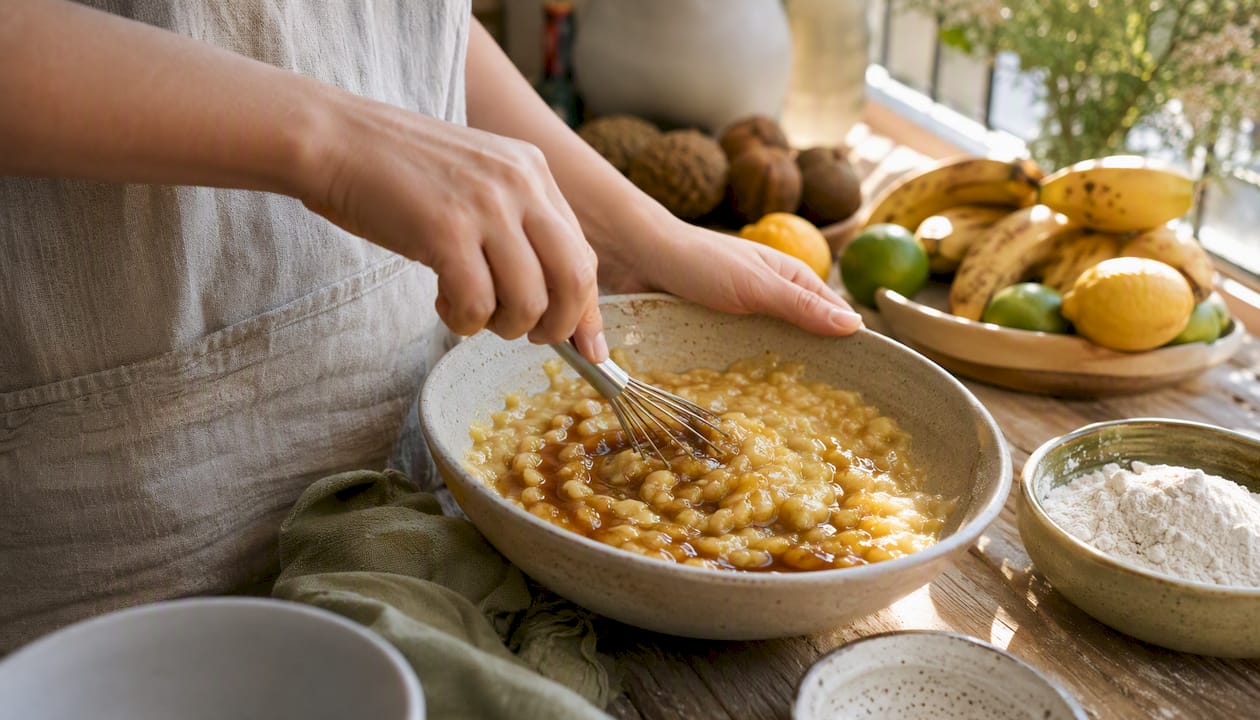
Practical uses: stir into coffee or tea instead of white sugar, use in marinades where you want a savory-sweet depth, bake into banana bread or muffins for a richer crumb, or dissolve in warm water to make a simple syrup for cocktails and mocktails.
For more on what makes organic panela different from other sweeteners, including common questions about texture and quality markers, the Zestepanela blog covers the details worth knowing before you buy.
What the evidence says about Fairtrade’s real-world impact
Fairtrade’s documented benefits for sugar producers are real, but they come with genuine caveats that any honest assessment should include.
What the evidence supports:
- The Fairtrade Premium (around US$60 per tonne for conventional certified sugar, US$80 per tonne for organic) is paid on top of the market price and directed to producer organizations, which decide democratically how to spend it. Common uses include infrastructure, healthcare, and education in farming communities.
- The Better Labour Practices program operates in regions where child and forced labor risks are highest, combining monitoring with active remediation rather than simply penalizing producers after the fact.
- Climate-resilience training and support for drought-resistant varieties are documented program components, relevant as cane-growing regions face increasing weather variability.
- Fairtrade’s standard explicitly prohibits GMO beet sugar from appearing in Fairtrade-labelled cane sugar products, which matters for consumers who care about genetic modification.
The caveats critics raise:
- Unlike coffee or cocoa, cane sugar has no Fairtrade Minimum Price. Producers are exposed to global commodity price swings with only the Premium as a buffer.
- Certification costs can be a barrier for the smallest producers, meaning the farms most in need of support may be the least likely to achieve certification.
- Mass-balance supply chains, where certified and non-certified sugar move through the same infrastructure, reduce the traceability guarantee for consumers even when the volumes balance on paper.
- Enforcement depends on audit quality and frequency. Weak audits that check documentation rather than on-the-ground conditions are a known failure mode across multiple certification schemes.
For the full standard and program details, the Fairtrade International sugar page and the Fairtrade Cane Sugar Standard are the primary sources worth reading directly.
Why panela changed how I think about buying sugar
The conventional wisdom on ethical shopping says: find the certification, pay the premium, move on. That is not wrong, but it misses something. Certifications are a floor, not a ceiling. They tell you the minimum standard was met at the time of the last audit. They do not tell you whether the farmer who grew your cane has a name, a story, or a cooperative that is genuinely thriving.
Panela does something different. Because it is unrefined and typically produced by smallholder cooperatives using traditional methods, the supply chain is short enough that the producer’s identity can actually survive the journey to your kitchen. That is rare in sugar. Most refined sugar, even certified refined sugar, has passed through enough hands that the original farm is effectively anonymous by the time it reaches the shelf.
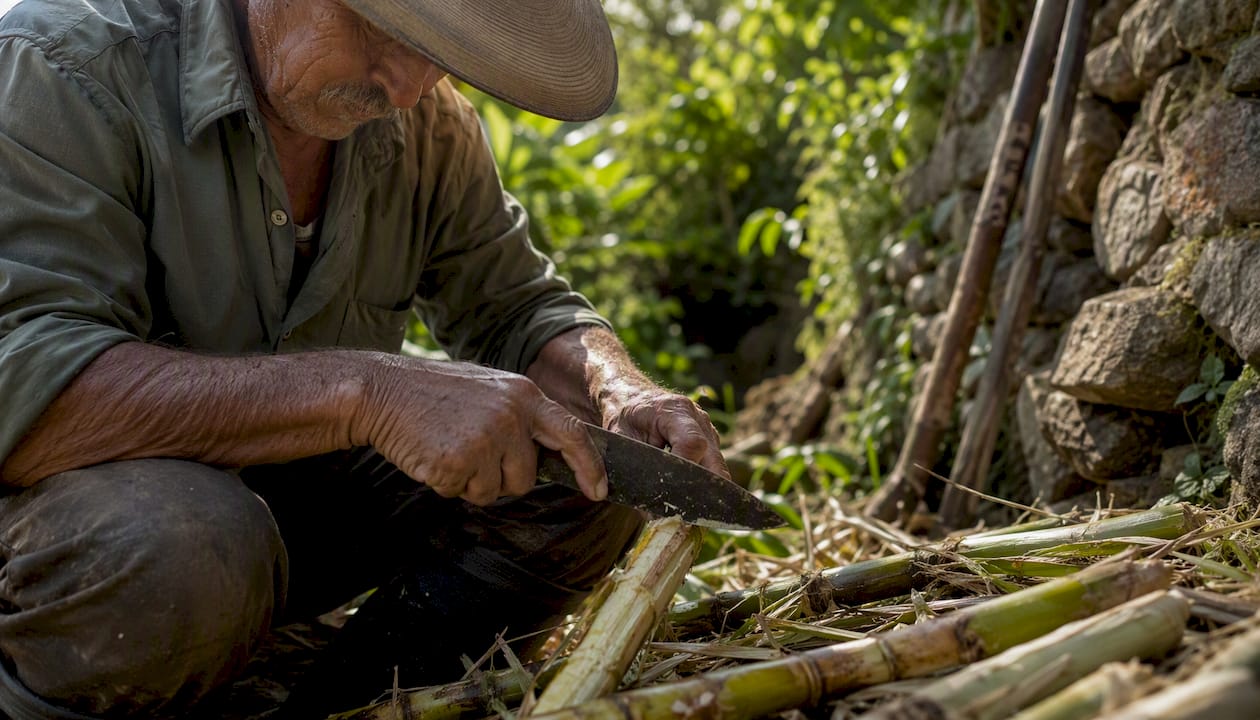
For cooks and bakers in Australia who want their ingredient choices to mean something, that traceability is worth paying attention to. A panela dissolved into your morning coffee or folded into a batch of cookies is not just a sweetener. It is a product where you can actually trace the story back to a specific region and a specific way of farming.
My recommendation: start with Fairtrade-certified cane sugar as your baseline for any refined sugar purchase, and try panela for anything where a richer, more complex sweetness works. The flavor difference is real, and the supply-chain story is cleaner.
Zestepanela: organic Colombian panela, available across Australia
Zestepanela offers one of the most direct paths to genuinely traceable, ethically minded sugar available to Australian shoppers. The product is organic Colombian panela, produced by traditional methods in the Colombian Andes, with no industrial refining, no GMOs, and natural molasses and minerals intact.
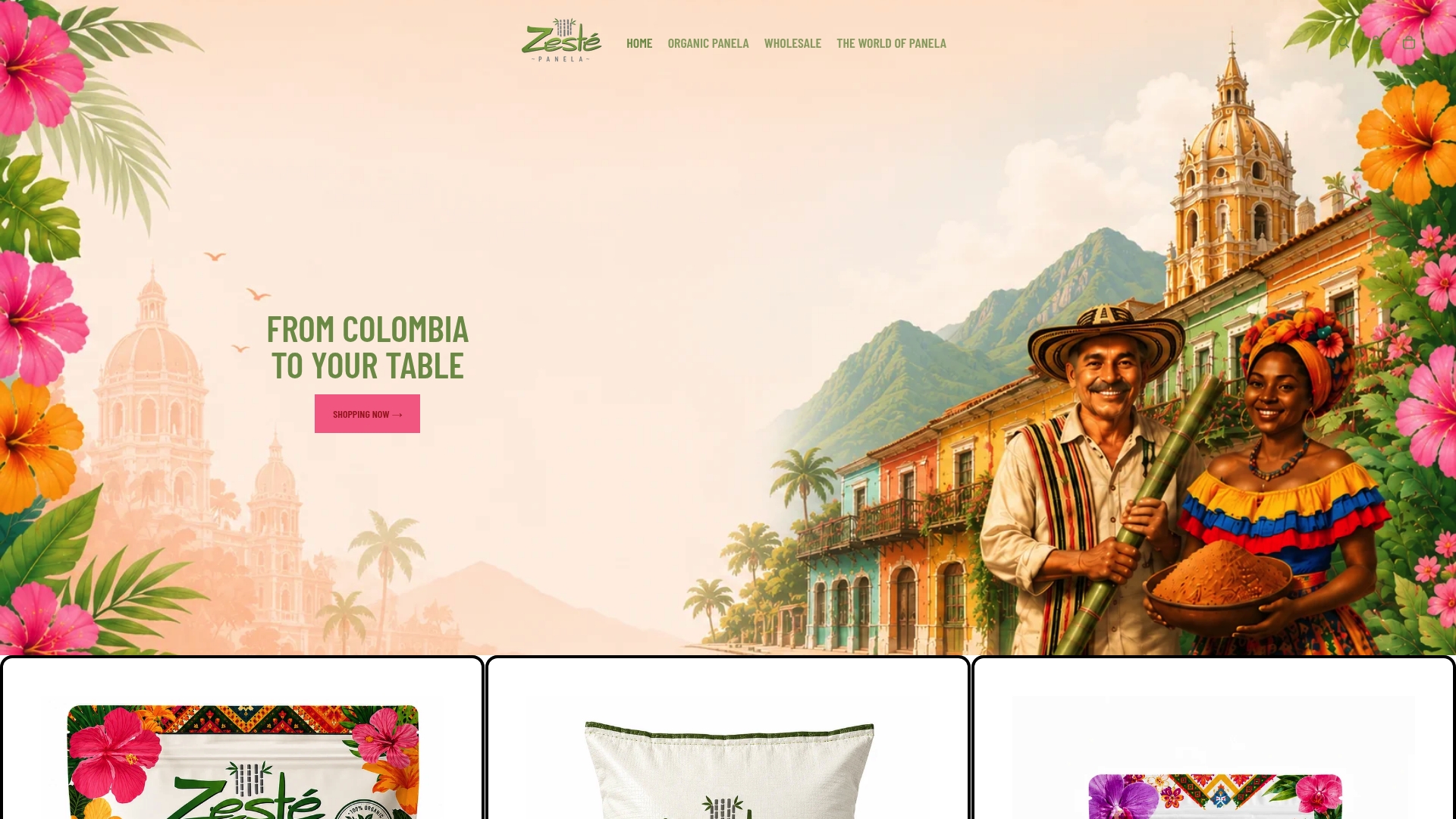
For home cooks, the 500g pack is the easiest starting point: enough to test panela in baking, beverages, and marinades before committing to a larger quantity. The 1kg pack suits regular bakers and households that go through sweetener quickly. Wholesale accounts are available for cafés, retailers, and distributors across Australia.
What you get with every pack:
- Certified organic, non-GMO Colombian panela
- Unrefined: retains natural molasses and minerals
- Traditional Andean production methods
- Available in 500g and 1kg retail sizes, with wholesale options
- Suitable for baking, hot drinks, marinades, and savory-sweet cooking
Browse the full range and place an order at Zestepanela.
Sources
The sources below are the primary references for the claims in this article. If you want to verify a certification, check a producer’s status, or read the full standards, these are the places to start.
A note on verification: Certification databases are publicly searchable. Before trusting a label claim, spend two minutes on the certifier’s website searching the brand or operator name. It is the single most reliable check available to any consumer.
- Ethical Sugar - The Good Shopping Guide
- Fairtrade Standard for Cane Sugar
- Our three-step process for verification and certification - Tate & Lyle Sugars: Sustainably Refined
0 comments