

For flavor and trace minerals, unrefined options like panela, raw honey, or pure maple syrup beat anything processed. For minimal calories and steady blood sugar, monk fruit or a high-purity stevia wins. If your real goal is just drinking less sweetened coffee overall, cutting your usual amount gradually each week works better than swapping one sweetener for another.
Here’s the quick logic behind each pick:
- Panela, maple syrup, honey: unrefined or minimally processed, so they carry real flavor complexity and small amounts of minerals and antioxidants, though they’re still caloric.
- Monk fruit, high-purity stevia: zero-calorie and don’t spike blood glucose, per Johns Hopkins Medicine, making them the default for blood-sugar-conscious drinkers.
- Gradual reduction: often the most sustainable fix, since it retrains your palate instead of chasing a “perfect” substitute.
Zesté Panela is the example we’ll return to for the unrefined, flavor-forward camp. It’s not a compromise pick. It’s a genuinely different category of sweetener than table sugar, and it behaves differently in your cup because of that.
Key Takeaways
Choosing a natural coffee sweetener comes down to matching monk fruit or stevia to blood-sugar goals and panela, honey, or maple syrup to flavor goals, while checking labels for fillers either way.
| Point | Details |
|---|---|
| Match sweetener to priority | Monk fruit and stevia for calories and blood sugar; panela, honey, or maple syrup for flavor and minerals. |
| Check labels for fillers | Watch for maltodextrin or dextrose in stevia products, which dilute purity and add unwanted glycemic impact. |
| Use the right form for temperature | Dissolve panela into a syrup for iced coffee; stir it in directly for hot coffee. |
| Reduce gradually if cutting sugar | Cut your usual amount gradually each week rather than switching sweeteners cold turkey. |
| Consider Zesté Panela for flavor-forward coffee | Organic, unrefined whole cane sugar with molasses and trace minerals intact, available in 500g and 1kg packs for home use. |
Table of Contents
- Natural Coffee Sweeteners, Sweetener by Sweetener
- How to Match a Sweetener to Your Priority
- Using Natural Sweeteners in Your Coffee, Hot or Cold
- Why Panela Works So Well in Coffee
- What the Health Research Actually Says About Each Option
- Sourcing Matters as Much as the Sweetener Itself
- Storage and Shelf Life for Each Sweetener
- What Actually Moves the Needle on Coffee Sweeteners
- Sources
Natural Coffee Sweeteners, Sweetener by Sweetener
Not all natural sweeteners solve the same problem, and mixing them up wastes money and coffee. Here’s what each one actually does when it hits hot liquid.
1. Stevia
Stevia comes from steviol glycosides, and the compound doing the sweetening (usually labeled Reb A) is what determines whether you taste clean sweetness or a bitter, licorice-like aftertaste. Liquid drops dissolve instantly in hot or iced coffee; powdered stevia varies more because many blends contain bulking agents. Registered dietitians frequently name stevia the top pick for beverages specifically because it’s noncaloric and travel-friendly. The catch: check the label for maltodextrin or dextrose, common fillers that dilute purity and can quietly undercut the “zero-calorie” promise.
2. Monk Fruit
Monk fruit gets its sweetness from mogrosides, and like stevia, it’s noncaloric and doesn’t raise blood glucose. The flavor is cleaner and fruitier than stevia, with less bitterness, but pure monk fruit extract is expensive to produce, so most retail versions are blended with erythritol. That’s fine for most people, but erythritol can cause bloating in larger amounts.
3. Allulose
Allulose is a rare sugar found naturally in figs and raisins, and it’s nearly calorie-free while showing promising early data on blood glucose response. It measures close to a 1:1 swap for table sugar in both baking and coffee, without the aftertaste some sugar alcohols produce.
4. Honey and Maple Syrup
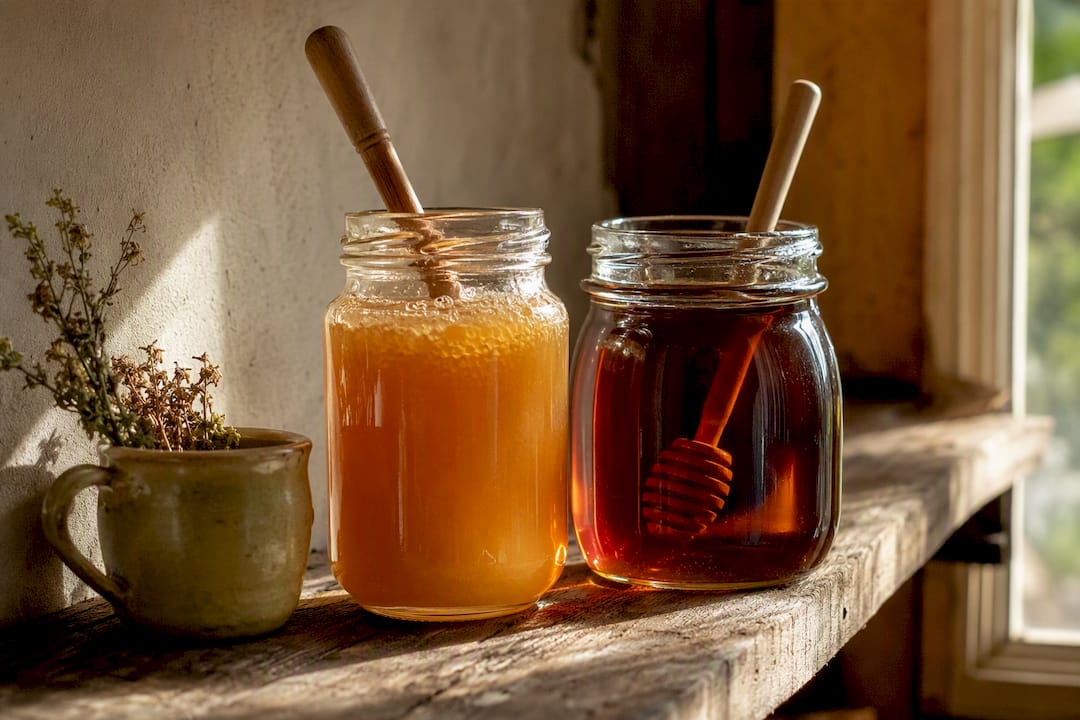
Both are caloric and count as added sugar, but raw honey and pure maple syrup carry trace minerals and antioxidants that refined sugar simply doesn’t have. Maple syrup pairs beautifully with dark roasts; look for “pure maple syrup” on the label, not “maple-flavored syrup,” which is often just corn syrup with flavoring added.
5. Panela
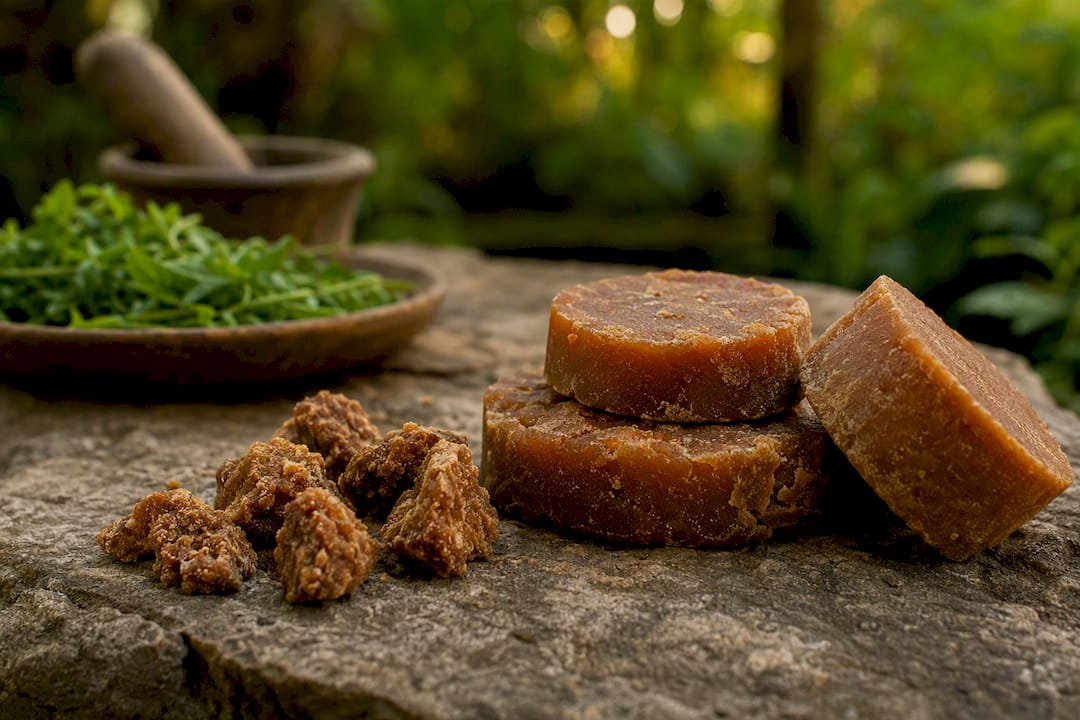
Panela is unrefined whole cane sugar, made by boiling down cane juice without stripping out the molasses. That’s what gives it a deep caramel, almost smoky flavor that white sugar can’t replicate, and it’s part of why panela is showing up on more café menus. It sometimes forms small dense clusters instead of a fine powder, which is a natural result of the traditional process, not a defect.
6. Coconut Sugar and Yacón
Coconut sugar has a mild caramel note and a glycemic index that’s modestly lower than table sugar, though it’s still a caloric sweetener best used in moderation. Yacón syrup, pressed from a South American root, has a tangy molasses flavor and contains fructooligosaccharides that behave differently in the gut than regular sugar, making it a niche but interesting option for smoothies and cold brew.
Pro Tip: If a sweetener leaves an odd aftertaste, don’t assume the whole category is off limits. Try a different form of the same sweetener first. Liquid stevia often tastes cleaner than powdered blends, and a coarse panela grind dissolves more smoothly than large chunks.
How to Match a Sweetener to Your Priority
Pick your top priority first. Trying to optimize for flavor, blood sugar, and calories all at once usually leads to a cabinet full of half-used bottles.
- Blood-sugar control comes first: reach for monk fruit, high-purity stevia, or allulose.
- Flavor is the priority: panela, raw honey, or pure maple syrup deliver actual taste complexity, not just sweetness.
- Digestive sensitivity: go easy on erythritol blends and sugar alcohols, which can cause bloating in some people at higher doses.
Before buying, scan the ingredient panel. Clinical guidance from the Cleveland Clinic is blunt about this: natural sweeteners still count as added sugar, so “natural” on the front of the package doesn’t mean unlimited. For stevia specifically, watch for maltodextrin or dextrose fillers that dilute purity and can cause mild digestive discomfort in sensitive people.
If your real goal is just less sugar overall, try a step-down approach: cut your usual amount gradually over several weeks. Most people adjust faster than they expect.
Pro Tip: Keep two sweeteners on hand instead of one, a caloric one for flavor and a zero-calorie one for daily use, and switch based on the day rather than forcing one to do both jobs.
Using Natural Sweeteners in Your Coffee, Hot or Cold
Getting the ratio and form right matters more than the sweetener itself.
- Granulated monk fruit or stevia blends typically measure close to 1:1 with sugar, but pure liquid stevia is far more concentrated. Start with a small amount per cup and adjust.
- Iced coffee needs liquid or dissolved sweeteners. Granulated panela or raw sugar will sit at the bottom of a cold glass. Make a simple syrup instead: equal parts panela and hot water, stirred until dissolved, then cooled.
- Hot coffee dissolves panela and coarse sugars fine on its own, especially if you stir while the coffee is still near-boiling.
- Dark roasts pair well with maple syrup and panela, since the caramel and smoky notes complement rather than compete with the roast’s bitterness. Light roasts do better with honey or a clean stevia, which won’t mask the brighter acidity.
- Plant milks change the equation slightly. Oat and almond milk both have their own mild sweetness, so you may need less added sweetener than you’d use with dairy or black coffee.
If you’re getting a bitter or metallic aftertaste, the fix is usually to switch forms, not brands. A liquid stevia drop instead of a powdered blend, or a fine panela grind instead of chunks, often resolves the issue outright.
Why Panela Works So Well in Coffee
Panela earns its place in a health-forward pantry because it’s minimally processed. The cane juice is boiled and cooled, not refined, spun, or bleached, so it keeps the molasses, iron, and trace minerals that white sugar loses in processing.
In coffee, that translates to real character: notes of caramel, brown butter, sometimes a faint smokiness depending on the batch. It’s a sweetener with a flavor identity, not just a source of sweetness.
For hot coffee, panela dissolves well if you stir it in while the coffee is fresh off the brew. For iced coffee or cold brew, make a quick syrup: warm panela with water in a 1:1 ratio until fully dissolved, then let it cool before adding to your glass. The syrup keeps in the fridge for weeks and dissolves instantly in cold liquid.
Panela’s small, dense clusters are a sign of traditional, minimally processed production, not a quality flaw. It’s a texture worth understanding rather than avoiding.
That characteristic texture is also part of why panela has been gaining traction in cafés looking for a house sweetener with more depth than raw sugar.
What the Health Research Actually Says About Each Option
The upside and downside of natural sweeteners depend heavily on which one you’re talking about, so lumping them together does readers a disservice.
Monk fruit and stevia have the cleanest safety profile among the group: both are noncaloric and don’t spike blood glucose, which makes them genuinely useful for people managing insulin resistance or prediabetes. The risk isn’t the sweetener itself, it’s the filler. Products cut with maltodextrin or dextrose can carry a small but real glycemic impact that undermines the whole point of choosing them.
Honey and maple syrup sit in a different category. They’re caloric and the Cleveland Clinic is clear that they still count as added sugar no matter how “natural” the label sounds. Their benefit is nutritional density, not calorie savings: small amounts of antioxidants and minerals that refined white sugar simply doesn’t carry.
Panela falls closer to honey and maple syrup on the caloric side, but it brings a similar trace-mineral profile along with unmatched flavor complexity. Allulose is the newest entrant with encouraging early research on blood sugar response, though long-term data is still developing. None of these carries meaningful risk in typical coffee-cup amounts. The risk shows up with overuse, fillers, or treating any “natural” label as a free pass.
Sourcing Matters as Much as the Sweetener Itself
Where a sweetener comes from shapes both its quality and its environmental footprint, and that’s easy to overlook when you’re comparing calorie counts.
Organic panela is grown without synthetic pesticides or fertilizers, and traditional production methods, boiling cane juice in open pans over wood or bagasse fuel, tend to use less industrial processing than refined sugar manufacturing. Non-organic versions can involve heavier chemical inputs at the farming stage, even though the final unrefined product looks similar.
Maple syrup sourcing varies by region and grade; look for producers that disclose tapping practices, since sustainable forestry matters for long-term yield. Honey sourcing raises its own questions around bee health and local versus imported supply chains. Monk fruit and stevia are both plant-derived and generally low-impact to grow, but the refining process for isolating steviol glycosides or mogrosides adds a manufacturing step that raw cane sugar products skip entirely.
Buying organic and unrefined when possible supports both your own ingredient quality and the farming communities producing it. That’s part of why traditional Colombian panela production, which relies on smallholder farms rather than industrial cane monoculture, has drawn attention from cafés looking for a sweetener with a transparent supply chain.
Storage and Shelf Life for Each Sweetener
Most natural sweeteners last longer than people expect, but moisture and temperature affect them differently.
Panela should be stored in an airtight container in a cool, dry spot; it can harden over time from humidity exposure, but that doesn’t mean it’s spoiled; a quick warm-water soak or grating restores it. Honey is nearly shelf-stable indefinitely if kept sealed and away from moisture, though it may crystallize, which a warm water bath easily reverses. Pure maple syrup keeps well unopened for a long time but should move to the fridge after opening to prevent mold growth.
Stevia and monk fruit, especially powdered forms, stay stable for a long shelf life if kept dry and sealed, since there’s no fat or moisture content to degrade. Liquid stevia drops last similarly long but should be kept out of direct sunlight. Coconut sugar behaves like brown sugar, prone to clumping in humid conditions, so an airtight jar with a bit of headspace helps. Allulose, being crystalline, stores much like table sugar and rarely goes bad if kept dry.
What Actually Moves the Needle on Coffee Sweeteners
Most coffee sweetener advice focuses on the wrong variable. People obsess over which product is “healthiest” when the amount used matters more than the source for almost everyone. Two teaspoons of monk fruit and two teaspoons of panela produce wildly different calorie and flavor outcomes, but the bigger health lever is usually just using less of either.
Where the conventional advice falls short is treating natural sweeteners as interchangeable health upgrades. They’re not. Monk fruit and stevia solve a metabolic problem. Panela, honey, and maple syrup solve a flavor and nutrient-density problem. Confusing the two leads people to buy an expensive raw honey expecting weight-loss benefits it was never going to deliver.
My honest read: the biggest quality gap in this category isn’t between sweeteners, it’s between refined and unrefined versions of the same sweetener. A high-purity stevia beats a maltodextrin-cut one. Real panela beats a “brown sugar” imitation. Read labels before you compare categories.
— Nicolas
An Honest Option for Flavor-First Coffee Drinkers
If you’ve landed on panela as your pick for flavor and mineral content, Zesté Panela’s organic 500g pack is sized for exactly that kind of daily use, sourced from small Colombian farms and produced with traditional open-pan methods that keep the molasses intact. It’s non-GMO, unrefined, and works equally well stirred into a hot cup or dissolved into a cold-brew syrup. For households or small offices going through it faster, the 1kg pack stretches further without switching products. If you’re still deciding which format fits your kitchen, start with the 500g size and see how it performs in your own cup before committing to more.
Sources
- Facts About Sugar and Sugar Substitutes | Johns Hopkins Medicine
- 5 natural sweeteners that are good for your health | Healthline
- Best and worst sugar substitutes | Cleveland Clinic
- Fillers and additives: What to watch out for when buying stevia | One Green Planet
0 comments