

Panela is an unrefined whole-cane sugar made by concentrating and solidifying fresh sugarcane juice, with no centrifugation and no refining. That single step, skipped, is what keeps the molasses, trace minerals, and deep caramel flavor intact. You’ll find it sold as solid blocks or cones, granulated powder, or liquid syrup, and it goes by different names depending on where it was made: piloncillo in Mexico, jaggery across South Asia, rapadura in Brazil, chancaca in Peru, and muscovado in the Philippines. For fermentation, panela works well as a fermentable base for traditional drinks like aguapanela and guarapo, and as the sugar source in rum-style washes. If you’re thinking about distilling, though, read the legal note in the fermentation section first.
- Panela is non-centrifugal sugar: the molasses never gets spun out
- Common forms: solid block/cone, granulated, syrup
- Regional names: piloncillo, jaggery, rapadura, chancaca, muscovado
- Fermentable: yes, for beverages and rum-style washes
- U.S. distillation without a federal permit is illegal
Pro Tip: If you’re new to panela, start with granulated. It dissolves faster than block and measures like brown sugar, making your first batch of aguapanela or a spiced cake much less fussy.
Key Takeaways
Panela is an unrefined whole-cane sugar that substitutes 1:1 for white or brown sugar, ferments cleanly with proper preparation, and requires a federal TTB permit before any home distillation in the United States.
| Point | Details |
|---|---|
| What panela is | Unrefined, non-centrifugal cane sugar that retains molasses, trace minerals, and complex flavor. |
| Substitution ratio | Use panela 1:1 by weight for white or brown sugar; expect added caramel and molasses flavor. |
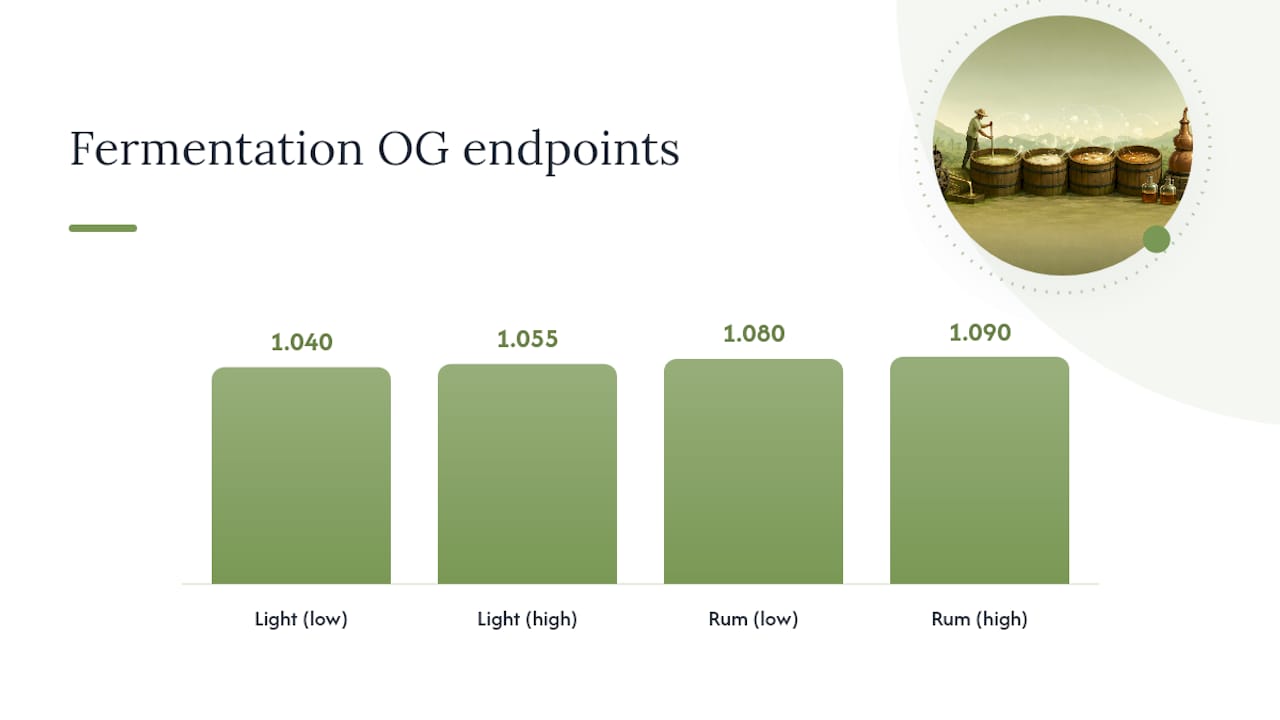
| Fermentation suitability | Panela ferments well; target OG 1.040–1.055 for light beverages, 1.080–1.090 for rum-style washes. |
| U.S. distillation law | Home distillation without a federal DSP permit is illegal; fermented beverages for personal use are generally permitted. |
| Zestepanela | Organic Colombian panela in 500 g, 1 kg, and 25 kg sizes, traceable origin, suited for culinary and fermentation use. |
This article is general information, not a substitute for advice from a qualified lawyer. Consult a qualified legal professional about your own circumstances before acting on anything here.
Table of Contents
- What panela is, where the names come from, and which form to buy
- How panela is made, and what that tells you about quality
- Flavor, nutrition, and how to store panela properly
- How to substitute panela in recipes and use it in the kitchen
- Practical fermentation guide: aguapanela, guarapo, and rum-style washes
- Where to buy panela in the United States and how to choose well
- What using panela actually taught me
- Zestepanela: organic Colombian panela for cooking and fermentation
- Sources
What panela is, where the names come from, and which form to buy
Panela is classified as a non-centrifugal sugar, meaning the cane juice is boiled down and poured directly into molds rather than spun to separate the molasses crystal from the syrup. That’s the core distinction between panela and refined white or brown sugar. Brown sugar, for context, is typically refined white sugar with molasses added back in. Panela never lost it.
The naming situation can confuse even experienced cooks. Here’s how the main terms break down:
- Panela: the dominant term in Colombia, Ecuador, and much of Spanish-speaking Latin America
- Piloncillo: the Mexican name, usually sold in small cone or pyramid shapes
- Rapadura: the Brazilian Portuguese name, often sold in rectangular blocks
- Jaggery: the broad South Asian and African term, covering cane and palm-derived versions
- Chancaca: used in Peru and Chile, often darker and more intensely flavored
- Muscovado: a partially refined version common in the Philippines and UK baking; slightly different process but similar flavor profile
- Kokuto: the Japanese black sugar, made from Okinawan cane, closest in spirit to panela
These aren’t always interchangeable in recipes. Jaggery can be made from date palm or coconut palm, not just cane, so the flavor profile shifts. Muscovado is sometimes centrifuged lightly, making it finer and less intensely molasses-forward than a Colombian block panela.
Forms you’ll encounter in U.S. stores:
- Solid blocks or cones: the most traditional form, longest shelf life, requires prep work before use
- Granulated panela: pre-ground, measures like sugar, dissolves faster, ideal for baking and fermentation
- Liquid syrup: ready to pour, great for cocktails and glazes, shorter shelf life once opened
How panela is made, and what that tells you about quality
The production process is short by industrial standards, which is exactly why the flavor is so much more complex than refined sugar. Panela Monitor describes the core steps clearly:
- Harvest: sugarcane stalks are cut and transported quickly to minimize sucrose degradation
- Extraction: stalks are crushed through rollers to press out the raw juice (guarapo)
- Clarification: the juice is heated and skimmed to remove plant solids, waxes, and impurities
- Evaporation: water is driven off over open fires or gas burners in a series of pans
- Concentration: the syrup thickens to a point where it will set solid when cooled
- Molding: the hot paste is poured into wooden or metal molds, traditionally cone or block shapes
- Cooling and drying: the molded panela sets, hardens, and is dried before packing
Quality signals to look for:
- Color: ranges from golden-amber to dark brown. Darker usually means stronger molasses flavor and higher mineral retention. Regional varieties from the Colombian Andes tend toward a warm amber; darker panela from some Mexican or Peruvian producers can be almost black.
- Aroma: good panela smells like caramel and dried fruit. A sour or fermented smell before you’ve done anything to it suggests poor storage or old stock.
- Texture: fine granules should feel slightly moist but not clumped. A hard block should be dense and smooth, not crumbly or dusty.
- Organic and origin labeling: look for a named country of origin (Colombia, Brazil, Mexico) and a certified organic seal. Generic “raw cane sugar” with no origin is a different product.
Small-batch artisan panela from Colombia or Mexico tends to have more flavor variation batch to batch, which is a feature, not a flaw. Factory-produced panela is more consistent but often lighter in flavor.
Pro Tip: Small hard inclusions in block panela are normal. They’re mineral deposits from the cane juice, not contamination. Zestepanela’s blog explains why these appear and why they don’t affect quality or safety.
Flavor, nutrition, and how to store panela properly
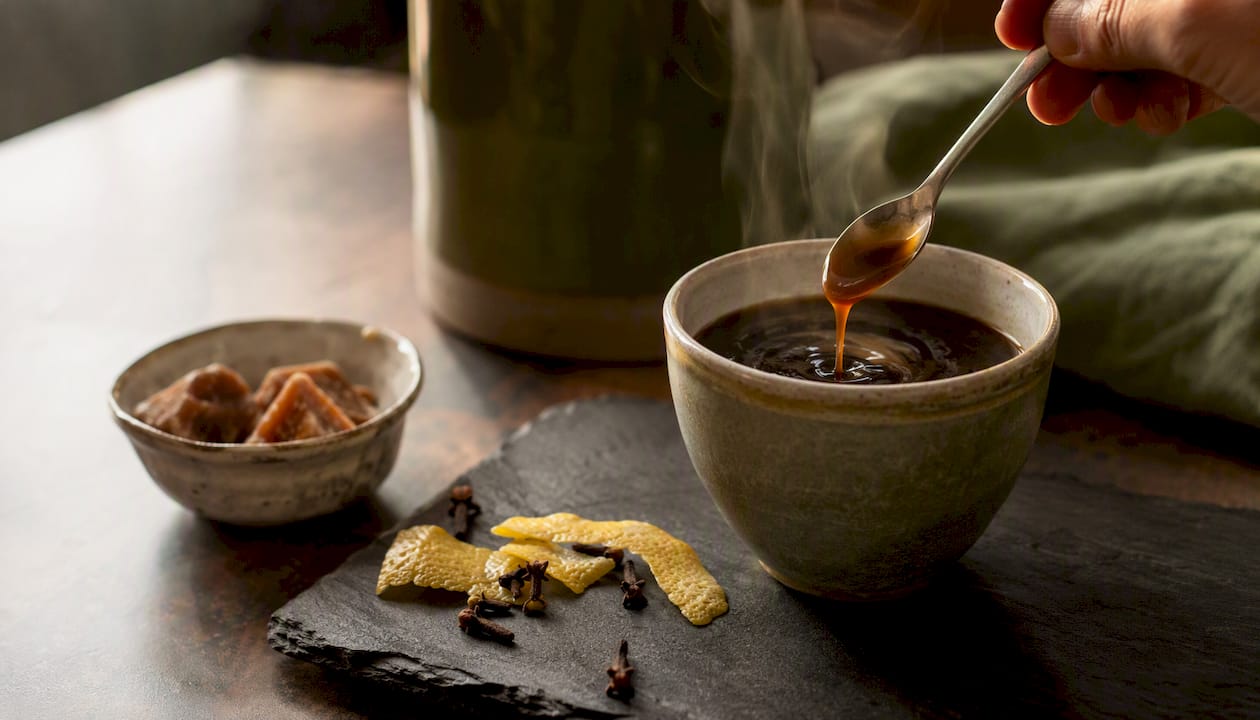
Panela’s flavor sits somewhere between dark brown sugar and a mild molasses. Serious Eats describes raw cane sugars like panela as delivering caramel, molasses, smoky, and fruity notes, and they pair naturally with cinnamon, anise, orange zest, and vanilla. In coffee, panela adds a rounded sweetness that doesn’t taste as sharp as white sugar. In a spiced cake or a mole sauce, it deepens the background flavor in a way that refined sugar simply can’t.
On nutrition: panela retains trace minerals and molasses compounds that refining removes, including small amounts of calcium, iron, and potassium. Those amounts are real but modest at typical serving sizes. Panela’s caloric content and glycemic effect are similar to white sugar, so it’s not a low-calorie or low-GI substitute. Think of it as a more flavorful sugar, not a medicinal one.
Storage rules:
- Keep panela in an airtight container away from moisture. Humidity is the enemy: it causes clumping in granulated panela and surface mold on blocks.
- Unopened granulated panela stored correctly has a typical shelf life of about a year or more. Solid blocks can last longer.
- Once opened, use granulated panela within 6 months for best flavor.
- Liquid panela syrup should be refrigerated after opening and used within 4–6 weeks.
How to substitute panela in recipes and use it in the kitchen
Panela substitutes for white or brown sugar at a 1:1 ratio by weight in most recipes. The flavor change is the main thing to plan for: you’re adding molasses notes, which can be welcome in spiced cookies, banana bread, marinades, and sauces, but less ideal in a delicate white cake or a pale buttercream where you want neutral sweetness.
Martha Stewart’s panela guide recommends grating solid block panela on a box grater, crushing it in a food processor, or briefly softening it in a microwave before chopping. Any of those works. For fermentation or syrup-making, the fastest approach is to break the block into chunks and dissolve in hot water.
Granulated panela integrates more easily into cold liquids and doughs than block does, making it preferable for such uses. If you’re working with a recipe that calls for dissolved sugar, making a simple panela syrup first (equal parts panela and hot water, stirred until clear) gives you consistent results.
Best uses for panela:
- Hot drinks: coffee, tea, hot chocolate, atole
- Cold beverages: aguapanela, guarapo, agua fresca, cocktail syrups
- Baking: spiced cakes, cookies, brownies, banana bread, granola
- Savory: marinades, glazes, mole, barbecue sauces, braised meats
- Confectionery: fudge, toffee, traditional Latin sweets
For very light, airy cakes where the structure depends on creaming white sugar with butter, panela’s moisture content and molasses compounds can affect the crumb. In those cases, use granulated panela and reduce slightly if the recipe is sensitive to moisture.
Practical fermentation guide: aguapanela, guarapo, and rum-style washes
Panela is a solid fermentable. It’s mostly sucrose, which yeast converts efficiently, and the retained molasses compounds add flavor complexity that plain white sugar can’t match. Wikipedia notes that panela is used across Latin America for traditional fermented beverages and as a base for distilled spirits.
Basic fermentation process
- Dissolve: break or measure your panela into hot water (not boiling, around 160°F) and stir until fully clear. Heating fully before cooling reduces yeast stress and off flavours.
- Strain: pour through cheesecloth or a fine strainer to remove any particulate matter from the block. Solids left in the wash can cause stuck ferments and unpredictable flavors.
- Cool: bring the liquid down to your target pitching temperature (65–75°F for most ale and rum yeasts) before adding yeast.
- Adjust gravity: measure with a hydrometer and add water or more panela to hit your target original gravity.
- Nutrients and pH: panela lacks some of the nutrient matrix found in molasses-based distillery washes. Add yeast nutrients (DAP or Fermaid-O) and check pH, targeting 5.0–5.5.
- Pitch yeast: add your chosen yeast strain and seal with an airlock.
- Ferment: maintain temperature, monitor activity, and let it run to completion (typically 5–10 days depending on gravity and yeast).
- Condition: rack off the lees and let the wash clarify before any further use.
Target parameters
Pro Tip: Darker panela, with stronger molasses notes, produces a more complex rum-style wash. Zestepanela’s Colombian organic panela hits a good middle point: enough molasses character for flavor without the heavy sulfur notes some very dark sugars can introduce.
U.S. Distillation Law — Read This First: Fermenting panela into beer, wine, or a low-ABV beverage for personal consumption is legal in most U.S. states. Distilling that ferment into a spirit at home, without a federal Distilled Spirits Plant (DSP) permit from the TTB, is a federal crime regardless of quantity or intent. If you want to take a panela wash to a finished rum, partner with a licensed craft distillery or look into co-distillation arrangements. The legal path exists; the unlicensed shortcut does not.
Where to buy panela in the United States and how to choose well
Panela is more available in U.S. stores than it was a decade ago, but quality varies significantly by channel.
Purchase channels:
- Latin grocery stores: the most reliable source for block piloncillo and sometimes granulated panela. Prices are competitive, but organic certification and origin labeling are often absent.
- Specialty and natural food stores: Whole Foods and similar retailers carry granulated panela, often organic, but selection is limited and turnover can be slow.
- Online retailers: the widest selection of forms, origins, and sizes. You can read ingredient lists, check certifications, and compare origin labels before buying.
- Wholesale suppliers: for cafés, bakeries, and small producers, bulk panela (5 kg, 25 kg) is available through specialty food distributors and directly from brands like Zestepanela.
What to look for on the label:
- Named country of origin (Colombia, Brazil, Mexico — not just “cane sugar”)
- Certified organic seal (USDA Organic or equivalent)
- Product form clearly stated (block, granulated, syrup)
- Packaging date or lot number
- No added ingredients: panela should be 100% sugarcane juice, nothing else
Buying checklist by use:
- Baking: granulated panela, organic, any origin
- Hot drinks and syrups: granulated or syrup form, Colombian origin for flavor depth
- Fermentation: granulated or block, organic preferred to avoid pesticide residues in the wash
- Wholesale/café use: 25 kg bulk or 5 kg bags from a traceable source
Zestepanela’s organic Colombian panela is available in 500 g for home use and 1 kg for regular bakers, with wholesale sizes for commercial buyers. The origin is traceable to the Colombian Andes, it’s certified organic and non-GMO, and the granulated form dissolves cleanly in both hot and cold applications.
Pro Tip: For fermentation specifically, buy organic. Conventional panela may carry pesticide residues that stress yeast and affect flavor in a concentrated wash. Organic certification is worth the small price difference when you’re pitching yeast into it.
What using panela actually taught me
The first time I swapped panela into my morning coffee, I used the same amount I’d use with white sugar. It was noticeably sweeter-tasting, with a caramel depth that made the coffee feel richer. That’s the thing people miss: panela’s flavor intensity means you can often use slightly less and still hit the same perceived sweetness, which is a real advantage in baking where you want to dial back sugar without losing satisfaction.
The fermentation learning curve is steeper. My first panela wash came out with a faint vegetal note I hadn’t expected. The fix was simple: better straining before pitching and a small nutrient addition. After that, the ferment ran clean and the resulting beverage had a warm, rounded sweetness that plain sugar washes just don’t produce. The molasses compounds in panela do real work in fermentation, contributing esters and flavor precursors that make the difference between a flat sugar wash and something worth drinking.
One practical lesson: don’t skip the cooling step before pitching yeast. Hot panela syrup poured directly onto yeast kills it. Cool to below 80°F first, every time.
Zestepanela: organic Colombian panela for cooking and fermentation
Zestepanela sources its panela directly from small farms in the Colombian Andes, where traditional production methods keep the molasses and minerals intact from cane to package. It’s certified organic, non-GMO, and available in sizes that fit both home kitchens and commercial operations.
For home cooks and hobby fermenters, the 500 g pack is the right starting point: enough to test panela in coffee, baking, and a small aguapanela batch without committing to bulk. Regular bakers and small cafés tend to move to the 1 kg option. For wholesale buyers, the 25 kg bag ships directly and is priced for commercial use. Every size comes from the same traceable Colombian source, with the same organic certification. Order directly at Zestepanela.
Sources
- What is Panela? – Panela Monitor
- Panela
- How to Use Raw Sugar: Jaggery, Gula Melaka, Panela, and More
- Panela sugar explained
0 comments