

Panela swaps 1:1 for white or brown sugar in almost any recipe, no other adjustments needed. The three ways you’ll actually use it: dissolve it in hot water for drinks and sauces, melt it into syrup for glazes, or grate and chop it for baking. Raw panela blocks make all three possible.
TL;DR:
- Panela can be used interchangeably with white or brown sugar in recipes, but it adds deeper caramel, toffee, and molasses flavors that impact color and moisture.
- Proper application involves dissolving for drinks and sauces, melting into syrup for glazes, or grating for baking, with softening techniques to ease handling.
- When substituting, expect a darker color, richer flavor, slightly moister texture, and equivalent sweetness, but avoid over-thickening liquids when replacing syrups.
- Storage requires keeping a hard block in a cool, dry place, softening it with microwaving or pounding, and freezing grated panela for convenience.
- Panela’s health impact is similar to other sugars for those managing calorie or carbohydrate intake, but it is valued for its retained minerals and natural production methods.
Table of Contents
- How to Use Panela: Three Core Techniques
- Panela Recipes You Can Use Tonight
- Substituting Panela for Sugar: What Changes
- How to Store and Prep Panela Without Wasting Any
- Why Home Cooks Trust Zesté Panela
- Panela vs. Regular Sugar: What’s Actually Different
- Is Panela Safe for Everyone? Dietary Notes to Know
- Where Panela Comes From and Why It Still Matters
- How Panela Changes Savory Cooking
- What Most Guides Get Wrong About Cooking With Panela
- Start Cooking With Zesté Panela
- Sources
- FAQ
How to Use Panela: Three Core Techniques
Panela shows up in your kitchen in three forms, and each one calls for a different move. Get these down and you can handle almost any recipe that calls for it.
Dissolving is how you make aguapanela, Colombia’s classic sugarcane drink, along with sauces and marinades that need the sweetener fully liquid. Bring water to a near boil, drop in chopped or grated panela, and stir until it disappears completely. A standard ratio is about one cup of chopped panela per four cups of water, though many cooks push it stronger for a bolder flavor. Serve it hot with a squeeze of lime, the way it’s traditionally done, or pour it over ice for a cold version that tastes almost like unrefined lemonade without the lemon.
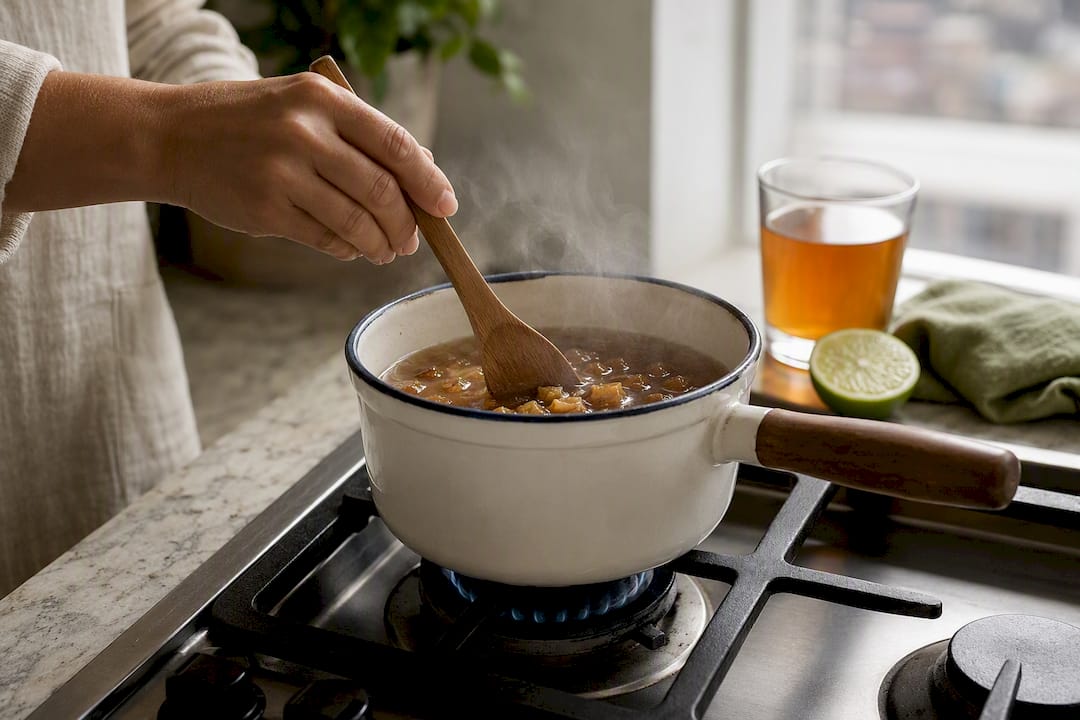
Melting turns panela into syrup for glazes, drizzles, and toppings. Chop the block into small pieces, add 1 to 2 tablespoons of water per cup of panela, and melt it over low heat in a heavy-bottomed pan. Cooking with panela comes down to matching the technique to the dish, and melting is the one that rewards patience. Stir often. Panela scorches faster than white sugar because of its molasses content, and a burnt batch tastes bitter, not caramelized.
Grating or chopping is your baking method. A box grater works for softer blocks; a food processor handles harder ones in seconds. For cookies or crumbles where you want panela to cream smoothly with butter, grate it fine, closer to brown sugar’s texture, rather than leaving it in pebbly chunks.
- Decide your end use first: drink, syrup, or baked good.
- Choose dissolve, melt, or grate based on that use.
- Adjust heat and liquid ratios as needed for the method.
Pro Tip: If your panela block feels rock hard, microwave it in 10 second bursts before grating. It softens just enough to keep from destroying your grater’s teeth.
Panela Recipes You Can Use Tonight
These are formulas, not full recipes. Once you know the ratios, you can scale them to whatever you’re cooking.
- Aguapanela: One cup chopped panela to four cups water, dissolved overheat. Drink it hot with lime, or chill it over ice for a refreshing summer version. Aguapanela made with dissolved panela is the most traditional way this sweetener gets used in Colombian households.
- Melado syrup: Simmer one cup chopped panela with a half cup of water and a cinnamon stick until it thickens into syrup, roughly 10 to 15 minutes on low heat. Melado de panela works as a pancake topping, a glaze base, or a drizzle over fresh cheese and fruit.
- Fruit crumble topping: Swap the brown sugar in your usual crumble mix for an equal amount of grated panela. The deeper caramel notes pair especially well with apple, pear, or stone fruit fillings.
- Savory glaze: Melt a quarter cup of panela with a tablespoon of vinegar and a splash of water, then brush it over roast pork or grilled chicken during the last 10 minutes of cooking. The sugars caramelize fast, so watch it closely.
Each of these starts with the same three moves you just learned: dissolve, melt, or grate. Once that clicks, you stop needing a recipe at all.
Substituting Panela for Sugar: What Changes
The swap itself is simple. Panela replaces white or brown sugar at a 1:1 ratio by volume in most baking, cooking, and beverage recipes, and you generally don’t need to adjust flour, leavening, or fat to compensate.
Where it gets more specific is liquid content and if you’re replacing something other than granulated sugar. If a recipe calls for a liquid sweetener like honey or maple syrup, melt your panela into syrup first using the low heat method, then swap it in at roughly the same volume, cutting back other liquids in the recipe by a couple tablespoons to keep the batter from turning soupy.
Expect visible differences in the finished dish:
| What changes | What to expect |
|---|---|
| Color | Darker, amber to deep brown, even in recipes that call for white sugar |
| Flavor | Deeper caramel and toffee notes, sometimes a faint smoky edge |
| Moisture | Slightly moister crumb in cakes and cookies, thanks to retained molasses |
| Sweetness | Comparable to white sugar, occasionally read as less sharp |
None of this ruins a recipe. It just means your banana bread will look and taste a little different than the version made with white sugar, usually for the better.
How to Store and Prep Panela Without Wasting Any
A hard block of panela can feel like a small brick, but softening it is easier than it looks.
- Wrap the block in a clean towel and gently pound it with a mallet to break it into manageable chunks before grating or processing.
- Give it a few 10 second bursts in the microwave if it’s too hard to cut, then grate or chop while it’s still slightly warm.
- A sturdy box grater handles soft to medium blocks; a food processor is faster for anything rock hard.
- When melting, always add 1 to 2 tablespoons of water per cup of chopped panela and keep the heat low in a heavy bottomed pan, stirring so it doesn’t catch and burn.
- Store panela in an airtight container in a cool, dry spot, away from humidity, which softens it and can encourage clumping over time.
Pro Tip: Grate more than you need and freeze the extra in a sealed bag. Frozen grated panela measures out just as easily as fresh and saves you the grating step next time.
Why Home Cooks Trust Zesté Panela
Zesté Panela sources organic, non-GMO panela grown and processed in the Colombian Andes, made with traditional methods that keep the natural molasses and minerals intact rather than stripping them out the way refined sugar production does. Author Nicolas has spent time breaking down exactly how this ingredient behaves in a home kitchen, from stubborn blocks to finicky syrups, and that hands-on focus shapes every guide on the site.
If you want more detail on any of the techniques above, these go deeper:
- How to dissolve panela fast, every time
- How to make authentic aguapanela at home
- Molasses in panela: what it is and how to use it
Panela vs. Regular Sugar: What’s Actually Different
Refined white sugar is pure sucrose, stripped of everything else cane juice originally contained. Panela skips that stripping process entirely. It’s boiled down and dried as a whole product, so it retains the molasses, trace minerals, and plant compounds that refining removes.
That doesn’t make panela a health food, and it’s worth being direct about that. It’s still primarily sugar, and your body processes its sucrose content the same way it processes sugar from any other source. What panela offers instead is a culinary upgrade: more complex flavor, a caramel and toffee depth that plain white sugar can’t touch, and a product that hasn’t been through industrial bleaching or refining. Think of it the way you’d think of unrefined olive oil versus a heavily processed vegetable oil. Both are fats. One tastes like something.
The most honest way to frame panela is as a flavor decision first, with a “less processed” bonus attached. If you’re baking ginger snaps, spiced coffee cake, or a mug of hot chocolate, panela’s toffee and dried fruit notes add a dimension that granulated sugar simply doesn’t have. That’s the real reason bakers reach for it, not because it promises to be dramatically better for you than the sugar sitting next to it on the shelf.
Is Panela Safe for Everyone? Dietary Notes to Know
Panela carries the same basic caloric and carbohydrate load as other cane sugars, so anyone managing blood sugar, diabetes, or a low carb diet should treat it exactly like they’d treat white or brown sugar, not as a free pass. It’s still sugar, just less processed.
For allergies specifically, panela is made from cane juice and generally free of common allergens like nuts, dairy, or gluten in its raw form. Cross contamination is possible depending on how a specific product is processed and packaged, so anyone with a severe allergy should check the label of whatever panela they’re buying rather than assuming.
One thing worth flagging for vegan cooks: because panela isn’t refined the way white sugar sometimes is, it avoids the bone char filtration process that some refined sugars use, which makes it a straightforward choice for people avoiding animal-derived processing aids. If you’re cooking for someone with a corn allergy, note that panela contains no corn derivatives, unlike some processed sweeteners.
Beyond that, there’s no unique allergen risk specific to panela that sets it apart from other cane sugar products. Treat portion size the way you would with any sweetener, and it fits into most diets the same way white or brown sugar would.
Where Panela Comes From and Why It Still Matters
Panela has been a staple in Colombian households for generations, produced in small batches using methods that have barely changed since the technique was first developed. Sugarcane juice gets pressed, then boiled down slowly until it solidifies into blocks, without the industrial refining and chemical processing that turns cane juice into white sugar.
Aguapanela, the drink made by dissolving panela in hot water, is often the first thing a Colombian child tastes as a hot beverage, and it remains a common home remedy for colds, sore throats, and general comfort. It’s poured for guests, served with breakfast, and carried in thermoses to school and work. That drink alone tells you how deeply panela is woven into daily life rather than treated as a specialty ingredient.
Beyond Colombia, similar unrefined cane sugars show up across Latin America and parts of Asia under different names, piloncillo in Mexico, jaggery in India, each tied to its own regional cooking traditions and rituals. What connects them is the same basic idea: sugar that keeps its molasses instead of losing it. Panela specifically remains tied to small farming communities in the Colombian Andes, where production supports local economies in a way that industrial sugar refining, concentrated in a handful of massive facilities, generally doesn’t. Buying panela sourced from those communities is as much a support for regional agriculture as it is a pantry decision.
How Panela Changes Savory Cooking
Panela’s caramel depth isn’t limited to sweets. Dropped into a glaze, marinade, or vinaigrette, it brings a rounder, less one-note sweetness than white sugar, closer to what brown sugar does but pushed further toward toffee and molasses.
For glazes, panela pairs naturally with acid. Melt it down with vinegar or citrus juice and you get a glaze that balances sweet and sharp, ideal for roast pork, grilled chicken, or glazed carrots. Panela shows up frequently in ham glazes and barbecue sauce bases precisely because it caramelizes well under heat while still carrying enough moisture to coat evenly.
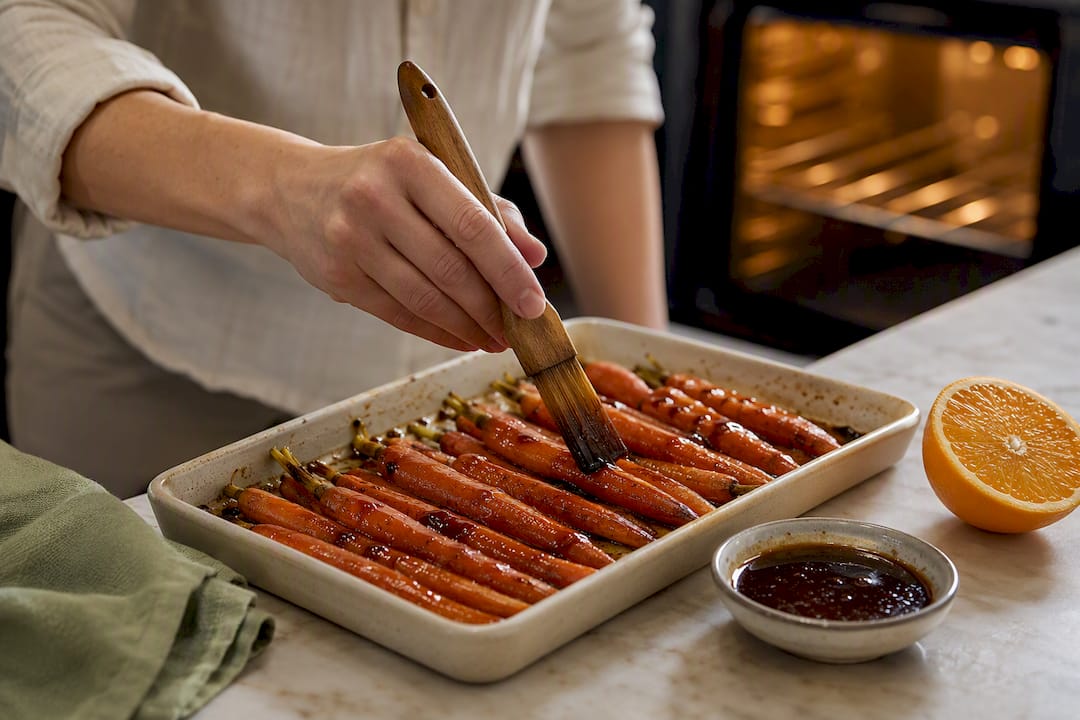
In marinades, panela softens the sharpness of vinegar-heavy or citrus-heavy mixes, the same way brown sugar does in a barbecue rub, but with a more distinct molasses backbone. Try it in a marinade for pork shoulder or flank steak, where a few hours of contact lets the sugars start to break down the surface of the meat slightly, encouraging better browning once it hits the grill.
Vinaigrettes benefit too. A teaspoon of dissolved panela in a mustard vinaigrette rounds out the harshness of raw vinegar without making the dressing taste sweet outright. It’s a trick worth borrowing from Latin American kitchens, where balancing acid with a touch of unrefined sugar is standard practice, not a special occasion move.
The flavor impact across all three uses comes down to the same thing: panela doesn’t just sweeten, it adds a caramelized, slightly smoky undertone that plain sugar can’t replicate.
What Most Guides Get Wrong About Cooking With Panela
Most advice on panela treats it like a health trend first and an ingredient second. That’s backwards. The research and technique guides that actually hold up treat panela as a flavor tool: something that behaves like sugar but tastes like caramel, molasses, and dried fruit all at once.
The conventional advice also oversells complexity. You don’t need special equipment or a chemistry lesson to cook with panela. You need to know which of three moves to make: dissolve it, melt it, or grate it. Most recipe failures with panela come from skipping the water when melting it, or trying to grate a block straight out of the pantry without softening it first. Fix those two habits and panela behaves as predictably as brown sugar.
If you’re new to this ingredient, prioritize learning the melt method before anything else. Dissolving is nearly foolproof, and grating is intuitive once you’ve done it once. Melting without scorching is the one skill that separates a good glaze from a burnt, bitter one, and it’s worth practicing on a small batch before you commit it to a dinner you’re serving to guests.
— Nicolas
Start Cooking With Zesté Panela
Once you’ve got the technique down, the ingredient matters more than most home cooks realize. The panela is sourced from small farming communities in the Colombian Andes using traditional production methods that keep the natural molasses and minerals intact, rather than the stripped-down cane sugar most grocery shelves carry.

Every recipe in this guide, from aguapanela to a savory glaze, works with the same block of panela sitting in your pantry. Browse available sizes and product details on the Zesté Panela site to find the right amount for your kitchen, whether you’re stocking up for weekly baking or trying it for the first time. If you want a hands-on starting point, read the guide on dissolving panela quickly before your next batch of aguapanela.
Sources
Techniques, ratios, and traditional uses referenced here draw from established recipe and technique sources, including My Colombian Recipes, Martha Stewart, and EatHealthy365.
- Rapadura (panela/rapadura) entry on MyFoodBook
- Aguapanela — My Colombian Recipes
- Melado de panela — My Colombian Recipes
- Cooking with panela: Your ultimate step-by-step guide — EatHealthy365
FAQ
How Do You Use Panela?
Dissolve it in hot water for drinks and sauces, melt it into syrup for glazes and toppings, or grate and chop it for baking, choosing the method based on whether your recipe needs a liquid, a syrup, or a dry sweetener.
Can I Replace Brown Sugar With Panela?
Yes, panela substitutes for brown sugar at a 1:1 ratio by volume, and you generally won’t need to adjust any other ingredients in the recipe.
Is Panela Better for You Than Sugar?
Panela retains molasses, minerals, and plant compounds that refined sugar loses in processing, but it’s still primarily sucrose, so it should be treated like any other sugar in terms of calories and carbohydrates.
What Is Panela Sugar Used For?
Panela is used to make aguapanela and other traditional drinks, syrups like melado for desserts and toppings, baked goods where it replaces white or brown sugar, and savory applications like glazes, marinades, and vinaigrettes.
0 comments